
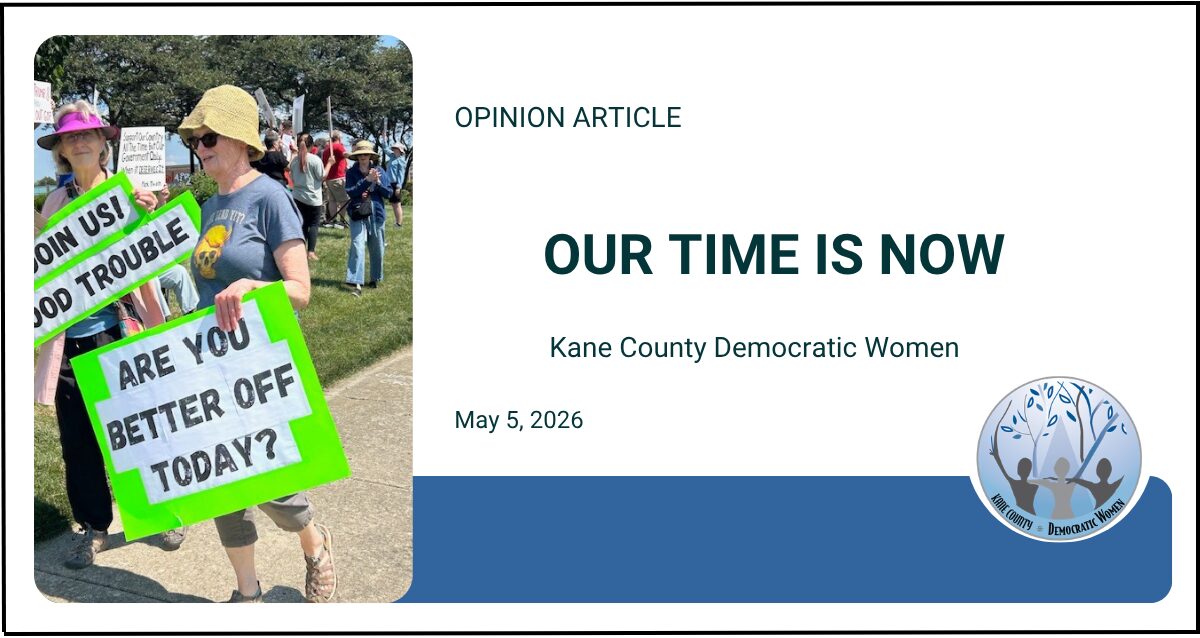
As America celebrates its 250th birthday, the voices of our forefathers call on each of us to uphold democratic principles and bring about change as they did long ago. A few months ago, former President Obama spoke about the life of the late Reverend Jesse Jackson at his memorial service. President Obama pointed out that Rev. Jackson’s voice “calls on each of us to be heralds of change … not for fame, not for glory… but because it gives our life purpose … and because if we don’t step up, no one else will.” At this time, we too are called, for our nation is at a precipice.
According to President Trump, Americans have to wait a “little” while longer for things to get better. This includes paying more for items such as gasoline with prices surging past $4.00 a gallon and more for groceries as the average price per month for food is $669 per family. The “30-day war in Iran” is affecting not only Americans but people throughout the world as gas prices surge around the globe. The war is now in its 8th week with no plan for peace. And more soldiers and resources are being sent overseas as Trump asks for more money to fund the war. Nothing escapes the effects of Trump’s tariffs since many items are imported from other countries such as clothing, food, fertilizer, etc. It is costing more each day for families to eke out a living, and many are sacrificing “the extras” and just buying the essentials.
One of the most urgent challenges is the housing market. Declining affordability, fueled by a persistent and widening gap between supply and demand, is causing a severe shortage of over 4.7 million homes. The shortage has created cascading economic and social challenges from skyrocketing prices to reduced workforce mobility (U.S. Chamber of Commerce). It is expensive to borrow, expensive to rent, and expensive to buy a house. In some places, housing prices have risen 300%, and young people who are graduating college and starting their careers are forced to move back home.
Needless to say, energy costs are also rising, and federal reports reveal that one in three U.S. households struggles to pay the energy bills. The reality is likely worse. According to a Gallup poll, thirty-five percent of U.S. adults say they worry “a great deal” about the availability and affordability of energy. This number has remained high since 2024. (Gallup, March 2026).
Food insecurity throughout the nation is not a surprise. In The Hill, Max Burns notes that it’s no secret that family farms have had a rough go of it over the past decade. Since 2015, about 373 farms have failed each year. The Trump tariffs on agricultural products caused more problems by decimating demand for U.S.-grown crops. Chinese imports of American soybeans plummeted nearly 80 percent as China turned to other countries to meet its needs. The American Soybean Association, an industry trade group, took the rare step of publicly criticizing the administration for misleading farmers about future Chinese purchases. Tariffs on steel, rubber, and replacement parts have also affected farmers who are paying more to keep their machinery working. Illinois is a top producer of soybeans, and people in our county and throughout our state are feeling this pressure.
Hunger touches every U.S. community, including our community. In Kane County, Illinois, one in ten people faces hunger. In 2025, the Aurora Interfaith Pantry served 202,500 people, providing 3.4 million pounds of food. Eighty-seven percent of the people coming to the pantry were from Aurora and neighboring communities. In the same year, Feeding America stated that for people facing hunger we need to be make sure children have food, make SNAP easier to access, and promote the medicinal properties of food that can be a source of vitamins (Feeding America, 2024). Today, 48 million Americans face food insecurity—including 14 million children. Food banks in our area are seeing more and more demand because of government cuts to the Medicaid and SNAP programs.
There is hope. Americans are a generous people, and people throughout this nation and our county are answering the call and stepping up to help others in their communities by collecting and delivering food and paper products. The rippling effects of the cuts, job losses, the economy, homelessness, food insecurity, and healthcare are among the top issues discussed by community leaders and families.
We cannot be deterred. We can show love to our neighbors by sharing what we have and offering to help. Get involved by volunteering or donating food and items to others who need help. We are witnessing a rebirth and history in the making. As Obama said, “Let’s step up.” We need to work together to elect people who will lead us wisely and enable us to move past division and to common ground and generosity. Together we can change America.